Urinary IncontinenceOPTIMANCT05534412
A Practice-Based Intervention To Improve Care for a Diverse Population Of Women With Urinary Incontinence
A study testing Academic Detailing, Electronic Clinical Decision Support and APP Co-management in people with Urinary Incontinence, run by University of California, San Diego at 4 sites in United States.
Trial summary
The main goal of this clinical trial is to improve the care for urinary incontinence (UI) provided to adult women by primary care providers. The main questions it aims to answer are: Can a practice-based intervention involving primary care providers lead to improved quality of incontinence care? Will this intervention… Read more about this study
- Who is it for?
- Ages 18 years and olderHealthy volunteers can take part
- Conditions the study is for
- Urinary Incontinence
- What is being tested?
- Academic Detailing, Electronic Clinical Decision Support and APP Co-management
- Could I receive a placebo?
- No, everyone receives an active treatment
- How many people
- 1,600 participants
- Where
- 4 sitesUnited States
- Study dates
- 7 Sep 2022to 1 Feb 2027
- Phase
- Interventional
- Are there results?
- Not yet: the study is under way
Key requirements
Who can take part, as listed by the sponsor. Only the study team can confirm whether you are eligible, so take this list to your doctor.
- Ages 18 years and older
- All sexes
- Healthy volunteers accepted
- Adult, Older adult
Who may be able to join
- Primary care physician belonging to a recruited office among one of four participating sites: Cedars-Sinai, Harbor-UCLA, UCLA, UCSD
- Age >18 y/o
- English or Spanish fluency
- Female
- Answers "yes" to incontinence screening tool and agrees to participate
Who cannot join
- Non-primary care specialty
- Does not belong to one of the participating offices
- Age <18 y/o
- Answers "no" to incontinence screening tool and/or does not agree to participate
- Patient seen by a urinary incontinence specialist (urologist/urogynecologist) for urinary incontinence in the past two years
- Primary care provider (who reviews a list of patients that screen positive) deems patient ineligible due to pregnant, severe memory impairment, or psychiatric history preventing participation
Trial locations and contacts
4 sites in 1 country.
United States4 sites
University of California, San Diego
La Jolla, California, 92037
Cedars-Sinai
Los Angeles, California, 90048
University of California, Los Angeles
Los Angeles, California, 90095
Harbor-UCLA Medical Center
Torrance, California, 90502
About this study
The main goal of this clinical trial is to improve the care for urinary incontinence (UI) provided to adult women by primary care providers. The main questions it aims to answer are:
- Can a practice-based intervention involving primary care providers lead to improved quality of incontinence care?
- Will this intervention reduce the utilization of specialist care for urinary incontinence?
- What effect will this intervention have on patient outcomes, including disease-specific outcomes, symptom severity, quality of life, and patient knowledge?
- Does our intervention reduce disparities in care?
Read more
Provider participants will be randomized at the office level to either an intervention group or a delayed intervention (control) group. The intervention group will receive an intervention consisting of academic detailing, clinical decision support tools, electronic referral, and the ability to refer to an advanced practice provider for co-management. The delayed intervention group will provide usual care until the crossover phase of the study, at which point they will receive the same intervention as the intervention group.
Patient participants will bring up urinary incontinence with their primary care provider and complete three electronic surveys.
Researchers will compare the intervention group to the delayed intervention (control) group to see if the intervention results in increased adherence to evidence-based quality indicators.
Read the detailed description
The burden of urinary incontinence (UI) on American women is immense in human and financial terms, and continues to rise with the growing population of older adults. The goal of this proposal is to improve the care for UI provided to women and, in doing so, decrease the utilization of specialty care while improving patient outcomes. Specific Aim 1 seeks to improve the quality of incontinence care provided to an ethnically diverse population of women through a controlled practice-based intervention involving primary care providers. The intervention involves the implementation of PCOR measures. Four Southern California medical groups will participate in a cluster randomized controlled trial in which 60 offices (15 per site) will be randomized to undergo a practice-based incontinence intervention led by a "clinical champion dyad" comprised of a primary care provider and urologist/urogynecologist, both of whom are members of that specific medical group. The intervention will include physician education, individual performance feedback, electronic decision support, patient education using dedicated advanced practice providers (APPs), and the implementation of an electronic referral service. The quality of patient care, as evidenced by compliance with primary care UI quality indicators the investigators developed and pilot-tested, will be measured across the two randomized arms after implementation of the intervention. Compliance with these quality indicators will be the key means to implement PCOR evidence, while, at the same time, measure quality. In Specific Aim 2, utilization of specialists will be compared before and after the intervention. The investigators hypothesize that improved care at the level of the primary care physician will reduce the number of specialty referrals. Specific Aim 3 will seek to measure the effect of the intervention on patient outcomes. Under the hypothesis that a practice-based intervention will improve disease-specific outcomes, symptom severity, quality of life, and patient knowledge will be measured at baseline using validated questionnaires. After implementation of the intervention, these questionnaires will be given a second time six months later and outcomes will be compared between control and intervention groups. The investigators expect that this intervention will also reduce disparities in care for underrepresented minorities.
- Conditions
- Urinary Incontinence
- Being tested
- Academic Detailing, Electronic Clinical Decision Support, APP Co-management, Electronic Referral
- Keywords
- Practice-based intervention, Patient-centered outcomes research, Disparities, Quality of care indicators, Primary care, Urinary incontinence, Stress incontinence, Urge incontinence, Mixed incontinence, Overactive bladder
- Medical subject headings
- Urinary Incontinence, Urinary Incontinence, Stress, Urinary Incontinence, Urge, Urinary Bladder, Overactive
What participants receive
What participants receive. In a randomised study each person is assigned to one group by chance.
Academic DetailingOther
- Provider Assessment. Physicians and advance practice providers will complete questionnaires before the intervention that assess their knowledge about the treatment for UI in women.
- Mealtime Lecture. A group meeting will take place for the physicians in the intervention groups. All aspects of incontinence care will be addressed-including elements of the history and physical examination, initiation of conservative treatment, as well as when to refer for second-line therapies performed by specialists-utilizing the the principles of Academic Detailing.
- Monthly individual feedback. Physicians and their clinical champion specialist will meet for individual coaching one month after the mealtime lecture to discuss and review the physician's previous performance as measured by the baseline chart abstraction. Physicians will have monthly check-ins with their clinical champion via a combination of quarterly synchronous Zooms and monthly asynchronous emails.
Electronic Clinical Decision SupportOther
Intervention physicians will have access to electronic clinical decision support consisting of note templates, order sets, interruptive alerts, and a notification of patients who screen positive for UI.
APP Co-managementOther
To reduce additional burden of care on the PCPs, the investigators will incorporate Advanced Practices Providers into the patient education and self-management portion of care. The APPs will be trained together with the intervention physicians, but they will also undergo additional standardized training on patient education, UI knowledge, providing instruction on Kegel exercises, shared decision making, and self management.
Patients will then be scheduled for a UI education and self-management session with the APP by telemedicine (video visit or telephone visit) within one month of their initial visit. For patients in need of an annual pelvic examination, and if the patient's PCP prefers to have the APP conduct the pelvic exam, a separate visit will be scheduled with the APP. A followup televisit will then be scheduled within three months of the initial APP visit, in order to assess the outcome of non-surgical treatment and determine if a specialist referral is indicated.
Electronic ReferralOther
In implementing the electronic consultation system in the private sector, the investigators will model the Expected Practice developed by the Los Angeles County Specialty-Primary Care Work Group. This eConsult system utilizes a "kickback" mechanism by which a specialist, who reviews the referral, can return it if it has not met certain baseline criteria (e.g. for a woman with OAB/urinary urgency: document negative UA, scheduled voids, titrate fluids to thirst, Kegels, antimuscarinics, optimize diuretic control, adjust any diuretics).
| Study group | Role | What they receive |
|---|---|---|
| Practice-Based Intervention | Experimental | The intervention will include physician education, electronic decision support, implementation of an electronic referral system, and patient education/co-management by an advance practice provider. Receives: Other: Academic Detailing; Other: Electronic Clinical Decision Support; Other: APP Co-management; Other: Electronic Referral |
| Control | No intervention | Offices in this group will not receive the four-pronged intervention. However, after the study trial, there will be a "validation phase" in which the initial control group will then receive the intervention. This cross-over deign will then allow all 60 offices to receive the intervention. Data from the cross-over intervention group will be analyzed as a separate cohort to confirm improvements in patient care and outcomes as measured in the intervention group under the study trial can be duplicated. |
What is being measured
The primary outcome is the main question the study is designed to answer.
Adherence to evidence-based quality-of-care indicators
Adherence to the QIs for patients who screen positive for UI will be compared across the two randomized arms at baseline and again at 3 and 6 months after intervention implementation.
Measured: Baseline, 3 months, 6 months
Secondary outcomes (8)
Referral rates to a specialist
The number of referrals to a specialist over the intervention period (urologist or gynecologist) will be quantified and compared between intervention and control groups.
For patients screened as positive for new or worsening UI at their primary care physician office from Specific Aim 1, the investigators will record if and when the patient was referred to a specialist for treatment. Dates of each level of care provided will be incorporated into each chart abstraction so that the timing can be calculated. Investigators will also record the baseline rate of specialty referrals for each office during the baseline chart review.
Measured: Baseline, 6 months
ICIQ-SF
Four-item questionnaire that evaluates frequency, severity and impact on quality of life of UI.
Measured: Baseline, 3 months, 6 months
UDI-6
Six-item questionnaire that measures quality of life and symptom distress for UI in women.
Measured: Baseline, 3 months, 6 months
PGI-I
Global index (transition scale) that measures symptom improvement.
Measured: 3 months, 6 months
PFAKS
Thirty-one-item questionnaire assessing patient knowledge in three domains: POP (11 items), SUI (10 items) and OAB (10 items) with questions on condition pathophysiology, management, and quality of life.
Measured: Baseline, 6 months
SDM-Q-9
Nine-item questionnaire that measures the extent to which patients are involved in the process of decision-making.
Measured: 6 months
Net Promoter Score
Single-item questionnaire to evaluate the patient's willingness to refer their provider to a friend
Measured: 3 months, 6 months
IIQ-7
Seven-item questionnaire to assess quality-of-life impact of UI
Measured: Baseline, 3 months, 6 months
Timeline
From the start of the study to its completion; the mark is today. Estimated dates are the sponsor’s plan.
- First posted9 Sep 2022
- Study start7 Sep 2022
- Primary completion30 Jan 2026
- Study completion1 Feb 2027 (estimated)
Resources
- Official record on ClinicalTrials.govThe registry entry this page is built from, with its full change history.
- Publications (68)Papers the sponsor has linked to this study.
- Other trials for Urinary IncontinenceStudies of the same condition, open and under way.
- What the trial phases meanHow a treatment moves from first tests in people to approval.
More details
For doctors and researchers: how the study is designed, who runs it, and its registry IDs.
Study design
- Study type
- Interventional
- Phase
- Phase N/A
- Primary purpose
- Health services research
- Allocation
- Randomised
- Intervention model
- Parallel groups
- Model description
- Four Southern California medical groups will participate in a cluster randomized controlled trial in which 60 offices (15 per site) will be randomized to undergo a practice-based incontinence intervention or control for 6 months. After the study trial, the control offices will then undergo the intervention as part of a "validation phase" of the study.
- Masking
- Single blind
- Who is masked
- Participant
- Enrolment
- 1,600 participants (estimated)
Sponsor and investigators
- Lead sponsor
- University of California, San Diego
- Sponsor type
- University, hospital or other
- Collaborators
- Agency for Healthcare Research and Quality (AHRQ), Cedars-Sinai Medical Center, University of California, Los Angeles, Lundquist Institute for Biomedical Innovation at Harbor-UCLA Medical Center, RAND
- Responsible party
- Principal investigator, Jennifer Anger, University of California, San Diego
IDs, dates and publications
- ClinicalTrials.gov ID
- NCT05534412
- Sponsor's protocol ID
- 802004
- Acronym
- OPTIMA
- Status last verified
- Mar 2026
- First submitted
- 1 Aug 2022
- Last updated
- 13 Mar 2026
- Results posted
- No
- Data monitoring committee
- No
- FDA-regulated drug
- No
- FDA-regulated device
- No
- Individual data sharing
- Yes: Available by request.
Publications
Abrams P, Cardozo L, Fall M, Griffiths D, Rosier P, Ulmsten U, van Kerrebroeck P, Victor A, Wein A. The standardisation of terminology of lower urinary tract function: report from the Standardisation Sub-committee of the International Continence Society. Am J Obstet Gynecol. 2002 Jul;187(1):116-26. doi: 10.1067/mob.2002.125704. No abstract available.
PubMed 12114899Markland AD, Richter HE, Fwu CW, Eggers P, Kusek JW. Prevalence and trends of urinary incontinence in adults in the United States, 2001 to 2008. J Urol. 2011 Aug;186(2):589-93. doi: 10.1016/j.juro.2011.03.114.
PubMed 21684555Dieter AA, Wilkins MF, Wu JM. Epidemiological trends and future care needs for pelvic floor disorders. Curr Opin Obstet Gynecol. 2015 Oct;27(5):380-4. doi: 10.1097/GCO.0000000000000200.
PubMed 26308198Olsen AL, Smith VJ, Bergstrom JO, Colling JC, Clark AL. Epidemiology of surgically managed pelvic organ prolapse and urinary incontinence. Obstet Gynecol. 1997 Apr;89(4):501-6. doi: 10.1016/S0029-7844(97)00058-6.
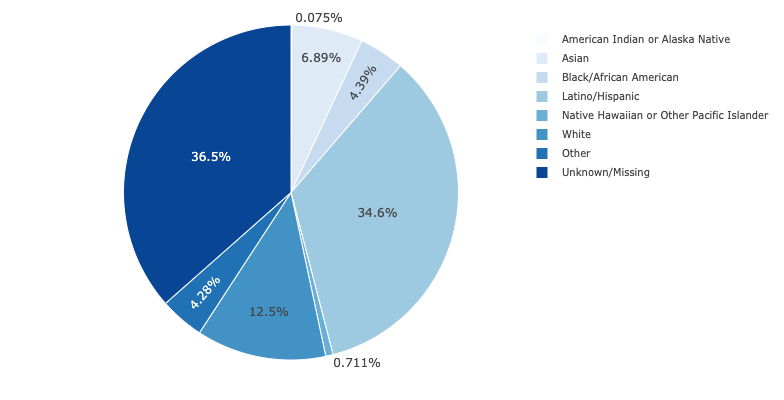
PubMed 9083302L.A. WL. Race Ethnicity Pie Chart. Available from: https://www.welikela.com/wpcontent/uploads/2020/05/race-ethnicity-pie-chart.png.
Anger JT, Saigal CS, Litwin MS; Urologic Diseases of America Project. The prevalence of urinary incontinence among community dwelling adult women: results from the National Health and Nutrition Examination Survey. J Urol. 2006 Feb;175(2):601-4. doi: 10.1016/S0022-5347(05)00242-9.
PubMed 16407004Wu JM, Hundley AF, Fulton RG, Myers ER. Forecasting the prevalence of pelvic floor disorders in U.S. Women: 2010 to 2050. Obstet Gynecol. 2009 Dec;114(6):1278-1283. doi: 10.1097/AOG.0b013e3181c2ce96.
PubMed 19935030Mesens T, Aich A, Bhal PS. Late erosions of mid-urethral tapes for stress urinary incontinence--need for long-term follow-up? Int Urogynecol J Pelvic Floor Dysfunct. 2007 Sep;18(9):1113-4. doi: 10.1007/s00192-007-0301-4. Epub 2007 Mar 9.
PubMed 17347793Schnelle JF, Smith RL. Quality indicators for the management of urinary incontinence in vulnerable community-dwelling elders. Ann Intern Med. 2001 Oct 16;135(8 Pt 2):752-8. doi: 10.7326/0003-4819-135-8_part_2-200110161-00015. No abstract available.
PubMed 11601959Gnanadesigan N, Saliba D, Roth CP, Solomon DH, Chang JT, Schnelle J, Smith R, Shekelle PG, Wenger NS. The quality of care provided to vulnerable older community-based patients with urinary incontinence. J Am Med Dir Assoc. 2004 May-Jun;5(3):141-6. doi: 10.1097/01.JAM.0000123026.47700.1A.
PubMed 15115573Anger JT, Alas A, Litwin MS, Chu SD, Bresee C, Roth CP, Rashid R, Shekelle P, Wenger NS. The Quality of Care Provided to Women with Urinary Incontinence in 2 Clinical Settings. J Urol. 2016 Oct;196(4):1196-200. doi: 10.1016/j.juro.2016.05.005. Epub 2016 May 7.
PubMed 27164512Shi L. The impact of primary care: a focused review. Scientifica (Cairo). 2012;2012:432892. doi: 10.6064/2012/432892. Epub 2012 Dec 31.
PubMed 24278694Daneshgari F, Imrey PB, Risendal B, Dwyer A, Barber MD, Byers T. Differences in urinary incontinence between Hispanic and non-Hispanic white women: a population-based study. BJU Int. 2008 Mar;101(5):575-9. doi: 10.1111/j.1464-410X.2007.07333.x. Epub 2008 Jan 8.
PubMed 18190644Anger JT, Rodriguez LV, Wang Q, Chen E, Pashos CL, Litwin MS. Racial disparities in the surgical management of stress incontinence among female Medicare beneficiaries. J Urol. 2007 May;177(5):1846-50. doi: 10.1016/j.juro.2007.01.035.
PubMed 17437833Alas AN, Dunivan GC, Wieslander CK, Sevilla C, Barrera B, Rashid R, Maliski S, Eilber K, Rogers RG, Anger JT. Health Care Disparities Among English-Speaking and Spanish-Speaking Women With Pelvic Organ Prolapse at Public and Private Hospitals: What Are the Barriers? Female Pelvic Med Reconstr Surg. 2016 Nov/Dec;22(6):460-466. doi: 10.1097/SPV.0000000000000315.
PubMed 27636216
Study at a glance
From the registry record, last updated by the sponsor on 13 Mar 2026. Recruitment status is as the sponsor reported it: confirm with the study team.
- Official title
- A Practice-Based Intervention To Improve Care for a Diverse Population Of Women With Urinary Incontinence
- ClinicalTrials.gov ID
- NCT05534412
- Acronym / sponsor ID
- OPTIMA / 802004
- Conditions
- Urinary Incontinence
- Keywords
- Practice-based intervention, Patient-centered outcomes research, Disparities, Quality of care indicators, Primary care, Urinary incontinence, Stress incontinence, Urge incontinence
- Study type
- Interventional
- Recruitment status
- Active, not recruiting
- Enrolment
- 1,600 participants (estimated)
- Lead sponsor
- University of California, San DiegoUniversity, hospital or other
- Collaborators
- Agency for Healthcare Research and Quality (AHRQ), Cedars-Sinai Medical Center, University of California, Los Angeles, Lundquist Institute for Biomedical Innovation at Harbor-UCLA Medical Center, RAND
- Study start
- 7 Sep 2022 (actual)
- Primary completion
- 30 Jan 2026 (actual)
- Study completion
- 1 Feb 2027 (estimated)
- First posted
- 9 Sep 2022 (actual)
- Results
- Not posted in the source record
Clinical summary
The research question as the sponsor registered it. This describes what the study plans to test, not what it found.
The main goal of this clinical trial is to improve the care for urinary incontinence (UI) provided to adult women by primary care providers. The main questions it aims to answer are:
- Can a practice-based intervention involving primary care providers lead to improved quality of incontinence care?
- Will this intervention reduce the utilization of specialist care for urinary incontinence?
- What effect will this intervention have on patient outcomes, including disease-specific outcomes, symptom severity, quality of life, and patient knowledge?
- Does our intervention reduce disparities in care?
Provider participants will be randomized at the office level to either an intervention group or a delayed intervention (control) group. The intervention group will receive an intervention consisting of academic detailing, clinical decision support tools, electronic referral, and the ability to refer to an advanced practice provider for co-management. The delayed intervention group will provide usual care until the crossover phase of the study, at which point they will receive the same intervention as the intervention group.
Patient participants will bring up urinary incontinence with their primary care provider and complete three electronic surveys.
Researchers will compare the intervention group to the delayed intervention (control) group to see if the intervention results in increased adherence to evidence-based quality indicators.
Detailed description
The burden of urinary incontinence (UI) on American women is immense in human and financial terms, and continues to rise with the growing population of older adults. The goal of this proposal is to improve the care for UI provided to women and, in doing so, decrease the utilization of specialty care while improving patient outcomes. Specific Aim 1 seeks to improve the quality of incontinence care provided to an ethnically diverse population of women through a controlled practice-based intervention involving primary care providers. The intervention involves the implementation of PCOR measures. Four Southern California medical groups will participate in a cluster randomized controlled trial in which 60 offices (15 per site) will be randomized to undergo a practice-based incontinence intervention led by a "clinical champion dyad" comprised of a primary care provider and urologist/urogynecologist, both of whom are members of that specific medical group. The intervention will include physician education, individual performance feedback, electronic decision support, patient education using dedicated advanced practice providers (APPs), and the implementation of an electronic referral service. The quality of patient care, as evidenced by compliance with primary care UI quality indicators the investigators developed and pilot-tested, will be measured across the two randomized arms after implementation of the intervention. Compliance with these quality indicators will be the key means to implement PCOR evidence, while, at the same time, measure quality. In Specific Aim 2, utilization of specialists will be compared before and after the intervention. The investigators hypothesize that improved care at the level of the primary care physician will reduce the number of specialty referrals. Specific Aim 3 will seek to measure the effect of the intervention on patient outcomes. Under the hypothesis that a practice-based intervention will improve disease-specific outcomes, symptom severity, quality of life, and patient knowledge will be measured at baseline using validated questionnaires. After implementation of the intervention, these questionnaires will be given a second time six months later and outcomes will be compared between control and intervention groups. The investigators expect that this intervention will also reduce disparities in care for underrepresented minorities.
Study design
- Primary purpose
- Health services research
- Allocation
- Randomised
- Intervention model
- Parallel groups
- Masking
- Single blind (participant)
- Number of arms
- 2
- Model description
- Four Southern California medical groups will participate in a cluster randomized controlled trial in which 60 offices (15 per site) will be randomized to undergo a practice-based incontinence intervention or control for 6 months. After the study trial, the control offices will then undergo the intervention as part of a "validation phase" of the study.
| Arm | Type | Receives |
|---|---|---|
| Practice-Based Intervention | Experimental | Other: Academic Detailing, Other: Electronic Clinical Decision Support, Other: APP Co-management, Other: Electronic ReferralThe intervention will include physician education, electronic decision support, implementation of an electronic referral system, and patient education/co-management by an advance practice provider. |
| Control | No intervention | –Offices in this group will not receive the four-pronged intervention. However, after the study trial, there will be a "validation phase" in which the initial control group will then receive the intervention. This cross-over deign will then allow all 60 offices to receive the intervention. Data from the cross-over intervention group will be analyzed as a separate cohort to confirm improvements in patient care and outcomes as measured in the intervention group under the study trial can be duplicated. |
Who may qualify
- Ages
- 18 years and older
- Sex
- All
- Healthy volunteers
- Accepted
- Age groups
- Adult, Older adult
Key inclusion criteria (5 listed)
- Primary care physician belonging to a recruited office among one of four participating sites: Cedars-Sinai, Harbor-UCLA, UCLA, UCSD
- Age >18 y/o
- English or Spanish fluency
- Female
- Answers "yes" to incontinence screening tool and agrees to participate
Key exclusion criteria (6 listed)
- Non-primary care specialty
- Does not belong to one of the participating offices
- Age <18 y/o
- Answers "no" to incontinence screening tool and/or does not agree to participate
- Patient seen by a urinary incontinence specialist (urologist/urogynecologist) for urinary incontinence in the past two years
Eligibility is decided by the study team after screening; this overview does not establish that a patient qualifies. Full inclusion and exclusion criteria.
Interventions
| Intervention | Type | Arms |
|---|---|---|
| Academic Detailing1. Provider Assessment. Physicians and advance practice providers will complete questionnaires before the intervention that assess their knowledge about the treatment for UI in women. 2. Mealtime Lecture. A group meeting will take place for the physicians in the intervention groups. All aspects of incontinence care will be addressed-including elements of the history and physical examination, initiation of conservative treatment, as well as when to refer for second-line therapies performed by specialists-utilizing the the principles of Academic Detailing. 3. Monthly individual feedback. Physicians and their clinical champion specialist will meet for individual coaching one month after the mealtime lecture to discuss and review the physician's previous performance as measured by the baseline chart abstraction. Physicians will have monthly check-ins with their clinical champion via a combination of quarterly synchronous Zooms and monthly asynchronous emails. | Other | Practice-Based Intervention |
| Electronic Clinical Decision SupportIntervention physicians will have access to electronic clinical decision support consisting of note templates, order sets, interruptive alerts, and a notification of patients who screen positive for UI. | Other | Practice-Based Intervention |
| APP Co-managementTo reduce additional burden of care on the PCPs, the investigators will incorporate Advanced Practices Providers into the patient education and self-management portion of care. The APPs will be trained together with the intervention physicians, but they will also undergo additional standardized training on patient education, UI knowledge, providing instruction on Kegel exercises, shared decision making, and self management. Patients will then be scheduled for a UI education and self-management session with the APP by telemedicine (video visit or telephone visit) within one month of their initial visit. For patients in need of an annual pelvic examination, and if the patient's PCP prefers to have the APP conduct the pelvic exam, a separate visit will be scheduled with the APP. A followup televisit will then be scheduled within three months of the initial APP visit, in order to assess the outcome of non-surgical treatment and determine if a specialist referral is indicated. | Other | Practice-Based Intervention |
| Electronic ReferralIn implementing the electronic consultation system in the private sector, the investigators will model the Expected Practice developed by the Los Angeles County Specialty-Primary Care Work Group. This eConsult system utilizes a "kickback" mechanism by which a specialist, who reviews the referral, can return it if it has not met certain baseline criteria (e.g. for a woman with OAB/urinary urgency: document negative UA, scheduled voids, titrate fluids to thirst, Kegels, antimuscarinics, optimize diuretic control, adjust any diuretics). | Other | Practice-Based Intervention |
Primary outcome
Adherence to evidence-based quality-of-care indicators
Time frame: Baseline, 3 months, 6 months
Adherence to the QIs for patients who screen positive for UI will be compared across the two randomized arms at baseline and again at 3 and 6 months after intervention implementation.
8 secondary outcomes
Referral rates to a specialist
Time frame: Baseline, 6 months
ICIQ-SF
Time frame: Baseline, 3 months, 6 months
UDI-6
Time frame: Baseline, 3 months, 6 months
PGI-I
Time frame: 3 months, 6 months
PFAKS
Time frame: Baseline, 6 months
SDM-Q-9
Time frame: 6 months
Net Promoter Score
Time frame: 3 months, 6 months
IIQ-7
Time frame: Baseline, 3 months, 6 months
Results and safety
This study is still under way. Results are not available in the source record yet.
Research links
- Official record on ClinicalTrials.govLast updated by the sponsor 13 Mar 2026.
- Background: PubMed 12114899Abrams P, Cardozo L, Fall M, Griffiths D, Rosier P, Ulmsten U, van Kerrebroeck P, Victor A, Wein A. The standardisation of terminology of lower urinary tract function: report from the Standardisation Sub-committee of the International Continence Society. Am J Obstet Gynecol. 2002 Jul;187(1):116-26. doi: 10.1067/mob.2002.125704. No abstract available.
- Background: PubMed 21684555Markland AD, Richter HE, Fwu CW, Eggers P, Kusek JW. Prevalence and trends of urinary incontinence in adults in the United States, 2001 to 2008. J Urol. 2011 Aug;186(2):589-93. doi: 10.1016/j.juro.2011.03.114.
- Background: PubMed 26308198Dieter AA, Wilkins MF, Wu JM. Epidemiological trends and future care needs for pelvic floor disorders. Curr Opin Obstet Gynecol. 2015 Oct;27(5):380-4. doi: 10.1097/GCO.0000000000000200.
- Background: PubMed 9083302Olsen AL, Smith VJ, Bergstrom JO, Colling JC, Clark AL. Epidemiology of surgically managed pelvic organ prolapse and urinary incontinence. Obstet Gynecol. 1997 Apr;89(4):501-6. doi: 10.1016/S0029-7844(97)00058-6.
- BackgroundL.A. WL. Race Ethnicity Pie Chart. Available from: https://www.welikela.com/wpcontent/uploads/2020/05/race-ethnicity-pie-chart.png.
- Background: PubMed 16407004Anger JT, Saigal CS, Litwin MS; Urologic Diseases of America Project. The prevalence of urinary incontinence among community dwelling adult women: results from the National Health and Nutrition Examination Survey. J Urol. 2006 Feb;175(2):601-4. doi: 10.1016/S0022-5347(05)00242-9.
- Background: PubMed 19935030Wu JM, Hundley AF, Fulton RG, Myers ER. Forecasting the prevalence of pelvic floor disorders in U.S. Women: 2010 to 2050. Obstet Gynecol. 2009 Dec;114(6):1278-1283. doi: 10.1097/AOG.0b013e3181c2ce96.
- Background: PubMed 17347793Mesens T, Aich A, Bhal PS. Late erosions of mid-urethral tapes for stress urinary incontinence--need for long-term follow-up? Int Urogynecol J Pelvic Floor Dysfunct. 2007 Sep;18(9):1113-4. doi: 10.1007/s00192-007-0301-4. Epub 2007 Mar 9.
- Background: PubMed 11601959Schnelle JF, Smith RL. Quality indicators for the management of urinary incontinence in vulnerable community-dwelling elders. Ann Intern Med. 2001 Oct 16;135(8 Pt 2):752-8. doi: 10.7326/0003-4819-135-8_part_2-200110161-00015. No abstract available.
- Background: PubMed 15115573Gnanadesigan N, Saliba D, Roth CP, Solomon DH, Chang JT, Schnelle J, Smith R, Shekelle PG, Wenger NS. The quality of care provided to vulnerable older community-based patients with urinary incontinence. J Am Med Dir Assoc. 2004 May-Jun;5(3):141-6. doi: 10.1097/01.JAM.0000123026.47700.1A.
- Background: PubMed 27164512Anger JT, Alas A, Litwin MS, Chu SD, Bresee C, Roth CP, Rashid R, Shekelle P, Wenger NS. The Quality of Care Provided to Women with Urinary Incontinence in 2 Clinical Settings. J Urol. 2016 Oct;196(4):1196-200. doi: 10.1016/j.juro.2016.05.005. Epub 2016 May 7.
- Background: PubMed 24278694Shi L. The impact of primary care: a focused review. Scientifica (Cairo). 2012;2012:432892. doi: 10.6064/2012/432892. Epub 2012 Dec 31.
- Care ICI. The Chronic Care ModelLink provided by the sponsor.
- L.A. WL. Race Ethnicity Pie Chart.Link provided by the sponsor.
- (AHRQ) AfHRaQ. Nonsurgical Treatments for Urinary Incontinence in Adult Women: Diagnosis and Comparative Effectiveness Executive SummaryLink provided by the sponsor.
- Quality AfHRa. Nonsurgical Treatments for Urinary Incontinence in Women: A Systematic Review UpdateLink provided by the sponsor.
- Institute P-COR. Pilot Evidence Maps: Pelvic Floor Muscle Training for Urinary Incontinence.Link provided by the sponsor.
- Institute P-COR. Treating Urinary Incontinence in Women without Surgery - Evidence Update for WomenLink provided by the sponsor.
- Individual participant dataSharing planned: Yes. Available by request.
Related trials for Urinary Incontinence
Not yet recruiting
Anterior Bridge-Preserving Versus Conventional Early Apical Release in Bipolar Enucleation of the Prostate
Benign Prostatic Hyperplasia, Benign Prostatic Obstruction
Not yet recruiting
Anterior Bridge-Preserving Versus Conventional Early Apical Release During Holmium Laser Enucleation of the Prostate
Benign Prostatic Hyperplasia, Benign Prostatic Obstruction
RecruitingPhase 2
Multimodal Prehabilitation and Rehabilitation for Men Undergoing Robot-Assisted Radical Prostatectomy
Erectile Dysfunction Following Radical Prostatectomy, Prostate Cancer
Active, not recruiting
A Study to Assess the Safety and Effectiveness of the UrOActive® Artificial Urinary sPHincter (AUS)
Stress Urinary Incontinence (SUI)
Recruiting
Comparing the Effect of Two Types of Pelvic Floor Muscle Stimulation Devices to Improve Symptoms of Urinary Incontinence in Women.
Urinary Incontinence, Mixed Urinary Incontinence
Referral and contact
AzTrials does not enrol participants or take referrals. Contact the study team or a site listed below; they decide who can take part. This study is not recruiting at the moment.
The record lists no contact. Use the official record to reach the sponsor.
4 sites in 1 country: see every site and its status.
Questions about this trial
What is this clinical trial studying?
A study testing Academic Detailing, Electronic Clinical Decision Support and APP Co-management in people with Urinary Incontinence, run by University of California, San Diego at 4 sites in United States.
The full registered description is in the About this study section and the official record.
Who may be eligible to take part?
The sponsor lists 5 inclusion and 6 exclusion criteria. Eligibility is decided by the study team after screening, so read the full criteria and contact a listed site.
Is this clinical trial currently recruiting?
The record says: under way, not looking for participants, as of the sponsor's last update on 13 Mar 2026. Status can change between updates, so confirm with the study contact before making plans.
Where is the study taking place?
The record lists 4 sites in United States. Whether a site is taking part right now should be confirmed with that site. See every site.
What are the possible benefits and risks?
They depend on the study and the treatment, and no study can promise a benefit. The study team explains the known risks during informed consent, before anyone joins; the record itself does not list them.
Are results available for this study?
This study is still under way. Results are not available in the source record yet.
How can a doctor refer a patient or contact the research team?
The record lists no contact. The official record names the sponsor, who can be asked directly. AzTrials does not enrol participants or take referrals.
What does the primary outcome measure?
Adherence to evidence-based quality-of-care indicators (time frame: Baseline, 3 months, 6 months). It is what the study was designed to measure, not a finding.
Where can I read the original study information?
On the ClinicalTrials.gov record for NCT05534412, which also lists 68 linked publications.
Does a listing mean the treatment is approved or proven to work?
No. A listing means the study is registered. It does not show that the treatment is safe, works, or is approved by a regulator.
How often is this information updated?
AzTrials copies changed records from ClinicalTrials.gov every night and reloads the whole registry every week. The sponsor last updated this record on 13 Mar 2026.